
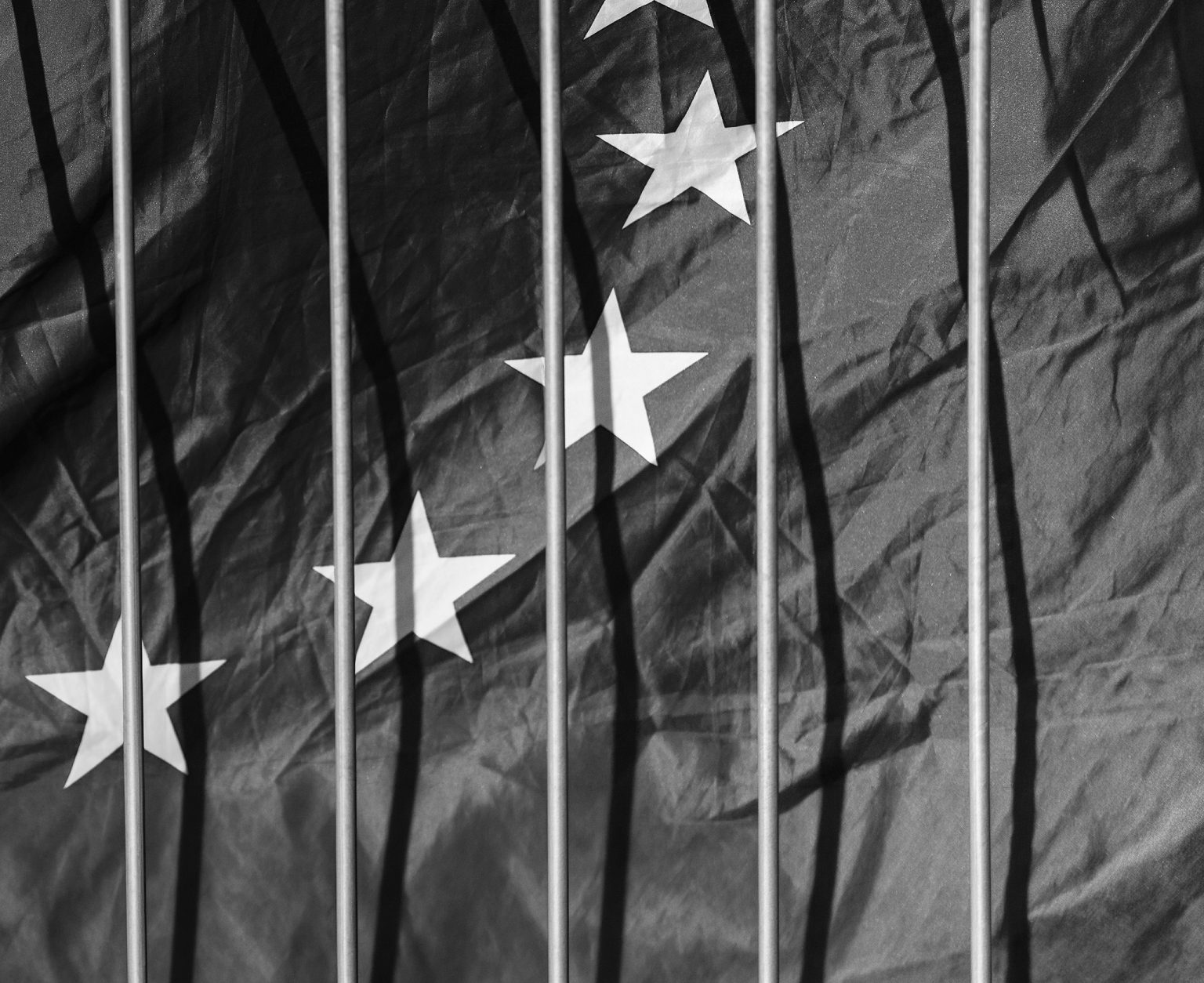
From 1 January 2027, the European Union plans to introduce a common framework for digital identity systems across the bloc. National digital IDs already exist in many member states under the original eIDAS regulation adopted in 2014. These include France Identité, Belgium’s MyGov.be, Poland’s mObywatel, Germany’s Online-Ausweis and Slovakia’s eID linked to the Slovensko.sk portal.
The next step is to connect these systems through the European Digital Identity Wallet (EUDIW).
In 2024, the EU adopted the eIDAS 2.0 regulation, which seeks to further harmonize digital identity systems. The wallet is designed to store a wide range of personal information, from identification details to health records and access credentials for online services.
According to the European Commission, the system will simplify access to public and private services while strengthening privacy, as users will only need to share the information necessary for a specific transaction.
However, concentrating such a broad range of personal data in a single system creates new risks – from surveillance and data breaches to the possibility of financial exclusion. Some critics draw parallels with deplatforming and shadow-banning practices that have become increasingly common on social media platforms in recent years.
These practices allow institutions to exclude people from social media platforms or quietly limit the reach of their posts. Officials, banks and technology companies usually justify such measures in the language of safety or child protection. In practice, however, they are increasingly being used against ordinary activists whose views are deemed “unsuitable” by the ruling class.

Child Protection as a Justification
One of the Commission’s stated goals is protecting minors from harmful online content.
To that end, Brussels unveiled the EU Age Verification App in April. The application is intended to verify users’ ages before they access certain online services.
Shortly after its presentation, ethical hackers demonstrated security weaknesses in the system. The Commission responded by describing the application as a demonstration version. The controversy was amplified because Commission President Ursula von der Leyen had described the technology as “technically ready“ only days earlier.
Proposals to link access to certain online platforms with digital identity systems have also raised concerns among privacy advocates. They argue that such arrangements could significantly reduce online anonymity and make user activity easier to trace.
At the same time, large databases containing sensitive information inevitably become attractive targets for cybercriminals and foreign intelligence services.

A Growing Digital Infrastructure
Many of the national digital identity systems that will eventually form part of the European wallet framework have already been operating successfully for years.
Alongside them, governments and private companies are increasingly deploying technologies such as biometric facial recognition at airports and other transport hubs.
Critics argue that every expansion of digital infrastructure increases the amount of personal information that can potentially be collected, stored or misused.
And the debate extends beyond digital identity.
Under the Digital Services Act (DSA), member states and regulators have gained greater powers to address online content considered harmful or illegal. Opponents argue that the criteria used to determine harmful content are sometimes insufficiently defined.
Concerns have also been raised about other EU initiatives, including plans for a digital euro and the long-running debate over so-called “chat control“ proposals aimed at scanning private communications for illegal content. Privacy advocates warn that such measures could weaken encryption and undermine confidentiality in digital communications.

Lessons from Britain
Outside the EU, the United Kingdom has moved in a similar direction by introducing age-verification requirements for certain online services.
Although Britain rejected proposals to ban social media use by under-16s, it has nevertheless expanded mechanisms designed to verify users’ ages online.
These developments are drawing comparisons to China’s social credit system, which uses extensive data collection and monitoring tools to evaluate citizens’ behavior.
Supporters of Europe’s digital reforms reject such comparisons. They argue that democratic institutions, independent courts and data-protection laws create safeguards that do not exist in authoritarian systems. Critics respond that while the political systems differ, the underlying technological infrastructure is becoming increasingly similar. In their view, digital identity wallets represent only one piece – albeit an important one – of a much broader architecture of digital monitoring.